
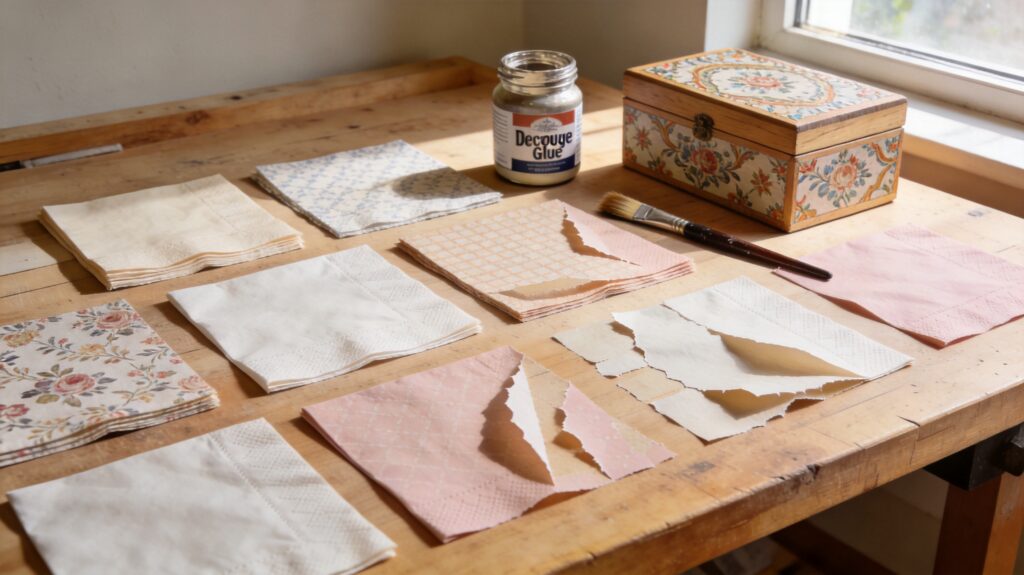
Paper Napkins for Decoupage: A B2B Guide to Profitable Craft Supplies
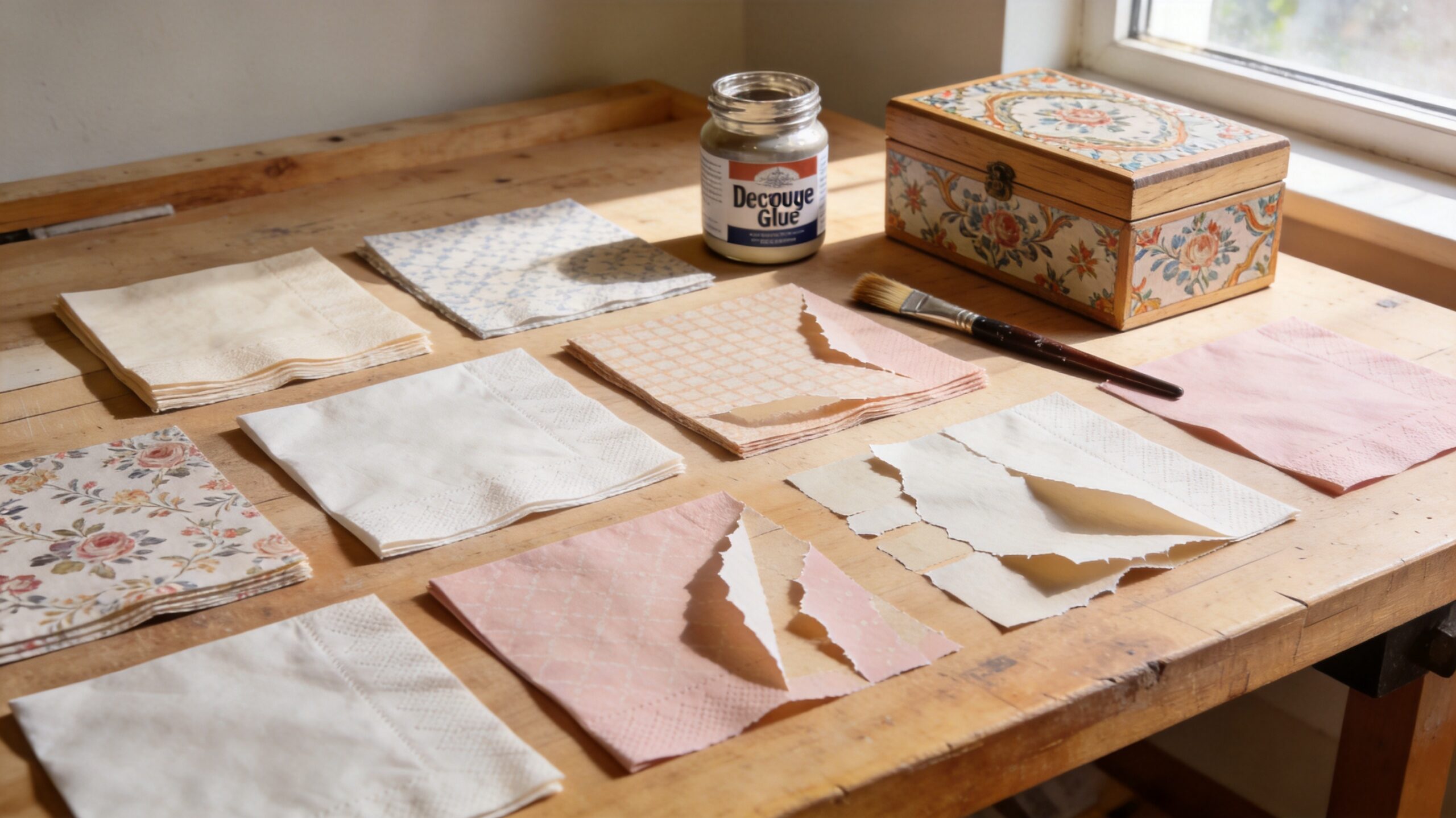
Decoupage has come a long way from being a quaint weekend hobby. These days, it’s a serious commercial craft sector, and at the center of this revival is a surprisingly humble material: the paper napkin. For B2B buyers, craft manufacturers, and retail entrepreneurs, understanding the commercial potential of paper napkins for decoupage is no longer just a nice-to-have—it’s a strategic move. In this guide, I’ll walk you through why decorative paper napkins have become a cornerstone product for craft businesses and how you can harness them for sustainable growth.
Why Decorative Paper Napkins Are a Smart Product Line for Craft Businesses
Market Demand for Decoupage Supplies
The global decoupage market has been growing steadily, fueled by the DIY movement, the push for sustainable upcycling, and the rising popularity of personalized home décor. Consumers are on the lookout for affordable, high-quality materials that let them turn everyday objects into one-of-a-kind pieces. Decorative paper napkins have risen to the occasion as the go-to medium for this kind of creative expression. They offer an easy entry point for hobbyists and a dependable revenue stream for suppliers. In my experience, businesses that tap into this trend early tend to build a loyal customer base before the market gets saturated.
Profit Margins and Repeat Purchase Potential
From a purely commercial standpoint, paper napkins for decoupage offer some impressive profit margins. The cost per sheet is remarkably low, yet finished decoupage products can command premium prices in the handmade goods market. What’s more, the consumable nature of napkins ensures repeat purchases—crafters rarely buy just one pack. For B2B suppliers, this translates into predictable, recurring order volumes from both retail customers and wholesale partners. I’ve seen suppliers double their revenue simply by positioning napkins as a core product rather than an afterthought.
Key Specifications to Evaluate Before Buying Paper Napkins for Decoupage
Ply Count and Print Quality
Not all napkins are created equal. The gold standard for decoupage is a three-ply napkin, where the printed top layer is separated from the plain white layers beneath. This separation is crucial because the printed ply needs to be thin enough to blend seamlessly into the adhesive. Pay close attention to print resolution—crisp, vibrant designs are a sign of higher manufacturing standards and will yield much better final results. I always advise buyers to request a sample before committing to a large order.
Ink Type and Colorfastness
Water-based, food-safe inks are the industry standard for quality decorative paper napkins. These inks resist bleeding when exposed to decoupage medium and maintain their vibrancy after sealing. A quick test for colorfastness is to apply a damp cloth to the printed surface; if any color transfers, the napkin isn’t suitable for professional use. This is one of those details that separates premium suppliers from the rest.
Sheet Size and Packaging Options
Standard napkin sizes range from 33cm x 33cm to 40cm x 40cm. Larger formats are increasingly popular for furniture projects, while smaller sizes suit giftware and card making. For B2B buyers, packaging configuration matters too—bulk packs of 50 or 100 sheets reduce per-unit costs and simplify inventory management. From what I’ve observed, offering a mix of sizes gives your customers more flexibility and encourages larger orders.
Top Use Cases: From Home Décor to Commercial Projects
Furniture and Tray Upcycling
The furniture upcycling trend shows no signs of slowing down. Craft businesses are using paper napkins for decoupage to transform tired dressers, side tables, and serving trays into statement pieces. The thin nature of napkin paper allows it to conform to curves and edges without wrinkling, making it ideal for complex furniture profiles. I’ve seen some truly stunning transformations that would have been impossible with thicker materials.
Custom Giftware and Event Favors
Personalized giftware—from photo frames to jewelry boxes—represents a lucrative niche. Event planners and wedding suppliers increasingly commission custom decoupage favors, and decorative paper napkins offer the flexibility to match any theme or color palette without the cost of bespoke printing. This is a space where creativity really pays off, and I’ve seen small businesses carve out a niche by specializing in wedding-related decoupage items.
Wholesale Project Kits for Retailers
Forward-thinking suppliers are bundling napkins with adhesive, brushes, and blank substrates to create complete project kits. These kits appeal to craft retailers seeking ready-to-sell packages, and they significantly increase average order values for B2B distributors. It’s a win-win: retailers get a curated product, and suppliers move more inventory per transaction.
Paper Napkins vs. Decoupage Paper: Cost, Texture, and Performance
Thickness and Adhesive Absorption
Traditional decoupage paper is thicker and requires more adhesive to saturate. Paper napkins for decoupage, by contrast, absorb adhesive quickly and dry faster, reducing production time. However, their thinness demands a gentler touch during application to prevent tearing. In my workshops, I always emphasize this difference because it affects everything from technique to final finish.
Ease of Tearing and Blending
Napkins excel in blending—their delicate fibers allow edges to disappear entirely into the surface, creating a “painted-on” effect. Decoupage paper, while easier to handle, often leaves visible edges that require additional sanding or finishing work. For projects where a seamless look is paramount, napkins are the clear winner.
Durability Differences for Finished Goods
With proper sealing, napkin decoupage can achieve durability comparable to decoupage paper. The key is applying multiple thin coats of sealant. For high-traffic items like serving trays, a final varnish or resin topcoat ensures longevity. Decoupage paper may offer slightly better structural integrity, but the aesthetic flexibility of napkins often outweighs this advantage. I’ve had customers tell me their napkin-decoupaged trays have held up beautifully for years.
Sourcing Reliable Suppliers for Bulk Decorative Paper Napkins
Minimum Order Quantities and Lead Times
When sourcing decorative paper napkins wholesale, clarify MOQs upfront. Many Asian manufacturers require minimum orders of 5,000 to 10,000 units, while European suppliers may offer smaller batches. Lead times typically range from 4 to 8 weeks for standard designs, so plan inventory accordingly. For a reliable partner, consider working with a home textile manufacturer that specializes in high-volume napkin production.
Design Exclusivity and Licensing
For businesses seeking competitive differentiation, negotiate design exclusivity. Some suppliers offer exclusive rights to specific patterns for a premium, preventing your competitors from selling identical products. Alternatively, explore licensed designs from artists or brands to add perceived value. This is a strategy I’ve recommended to several clients, and it’s helped them stand out in crowded marketplaces.
Quality Control and Sample Testing
Never skip the sample stage. Request physical samples before committing to bulk orders. Test the napkins with your actual adhesive and sealing products to ensure compatibility. Check for consistent dye lots, accurate dimensions, and packaging integrity. A little due diligence here can save you from costly returns and damaged reputation down the line.
How to Integrate Napkin Decoupage Into Your Production Workflow
Prepping Surfaces and Applying Adhesive
Standardize your surface preparation: clean, sand, and apply a base coat of acrylic paint or primer. For adhesive, use a decoupage medium or a 50/50 PVA glue and water mix. Apply the adhesive to the surface, position the separated napkin layer, and gently smooth from the center outward to eliminate air bubbles. This step-by-step consistency is what separates professional-grade output from amateur results.
Sealing and Finishing for Longevity
Once the napkin is dry, apply at least three thin coats of sealant, allowing each to dry completely. For commercial products, consider a spray-on UV-resistant varnish for added protection. This step is non-negotiable for items that will be handled or cleaned regularly. I’ve seen too many otherwise beautiful pieces ruined by skimping on the sealant.
Batch Production and Waste Reduction Tips
For batch production, create assembly-line stations: one for surface prep, one for napkin application, and one for sealing. This reduces cross-contamination and speeds throughput. To minimize waste, store napkins flat in climate-controlled conditions and train staff on careful separation techniques to avoid tearing. Efficiency gains here directly impact your bottom line.
Common Mistakes to Avoid When Using Paper Napkins for Decoupage
Choosing Napkins with Poor Tear Resistance
Low-quality napkins tear easily when wet, ruining projects and wasting materials. Always test tear resistance by wetting a sample and attempting to lift it with a brush. Reputable decorative paper napkins should withstand gentle manipulation. This is a lesson I learned the hard way early in my career, and I’m passing it on so you don’t have to.
Skipping Base Coat or Sealant Layers
Skipping the base coat can result in the napkin pattern being obscured by the underlying surface color. Skipping sealant layers leaves the finished product vulnerable to moisture and wear. These shortcuts compromise quality and damage your business reputation. Quality control is not the place to cut corners.
Mismatching Napkin Patterns with Product Lines
A floral napkin on a modern minimalist tray looks jarring. Curate your napkin selection to complement your product range. Consider your target demographic’s aesthetic preferences and current interior design trends when choosing inventory. For inspiration, explore collections like 3D embossed napkins or gold-stamped lace wedding napkins to see how different styles align with various product categories.
Frequently Asked Questions About Decorative Paper Napkins for B2B Buyers
Are All Decorative Napkins Suitable for Decoupage?
No. Only single-ply printed napkins or the printed layer of multi-ply napkins are suitable. Napkins with embossed patterns, metallic finishes, or heavy dyes may not perform well. Always verify suitability before purchasing in bulk. For technical insights on material properties, consult this industry reference on paper-based craft materials.
How Should Bulk Napkins Be Stored?
Store napkins flat in a cool, dry environment away from direct sunlight. Humidity causes curling and sticking, while UV exposure fades colors. Use sealed plastic wrapping or airtight containers for long-term storage. I’ve seen warehouses lose entire shipments to improper storage, so this is worth taking seriously.
Can Custom Designs Be Printed on Decoupage Napkins?
Yes, many manufacturers offer custom printing services. Minimum order quantities for custom designs are typically higher, and setup costs apply. However, custom decorative paper napkins can become a signature product that distinguishes your brand in a crowded market. For more detailed material science information, refer to this technical reference on paper properties and applications.
The market for paper napkins for decoupage continues to expand as consumers embrace handmade, sustainable, and personalized products. For craft businesses, this represents an opportunity to diversify product lines, increase profit margins, and build lasting customer relationships. By sourcing high-quality decorative paper napkins, understanding their technical specifications, and integrating them into efficient production workflows, your business can transform this everyday item into an extraordinary commercial asset. Start with small test batches, refine your processes, and scale up as demand grows—the creative possibilities are as limitless as your imagination.